

Archaeological Tourism
The Cradle of Civilization Awaits
Long before the pyramids rose in Egypt or the columns of the Parthenon graced Athens, civilization was already flourishing between the Tigris and Euphrates rivers. Iraq — ancient Mesopotamia — is where humanity first wrote, codified laws, built cities, and gazed at the stars with wonder. To visit Iraq is to walk in the footsteps of the very first city-dwellers, and archaeological tourism here is nothing short of a journey through the origins of human history itself.
A Legacy Written in Stone and Clay
Iraq is home to six UNESCO World Heritage Sites, including the legendary city of Babylon, the ancient Assyrian capital of Ashur, the majestic Hatra, the spiral-minaret city of Samarra, the millennia-old Erbil Citadel, and the Ahwar marshlands — which cradle the Sumerian cities of Ur, Uruk, and Eridu. Beyond these, fifteen more remarkable sites await UNESCO recognition, among them the ancient cities of Nineveh and Nimrud.
From towering mud-brick ziggurats that once pierced the sky to the brilliantly decorated gates of Babylon, every stone in Iraq holds a story. This is the land where the Code of Hammurabi was written, where the Epic of Gilgamesh was first told, and where the wheel was invented — the very foundations on which our modern world rests.
Key Sites to Explore
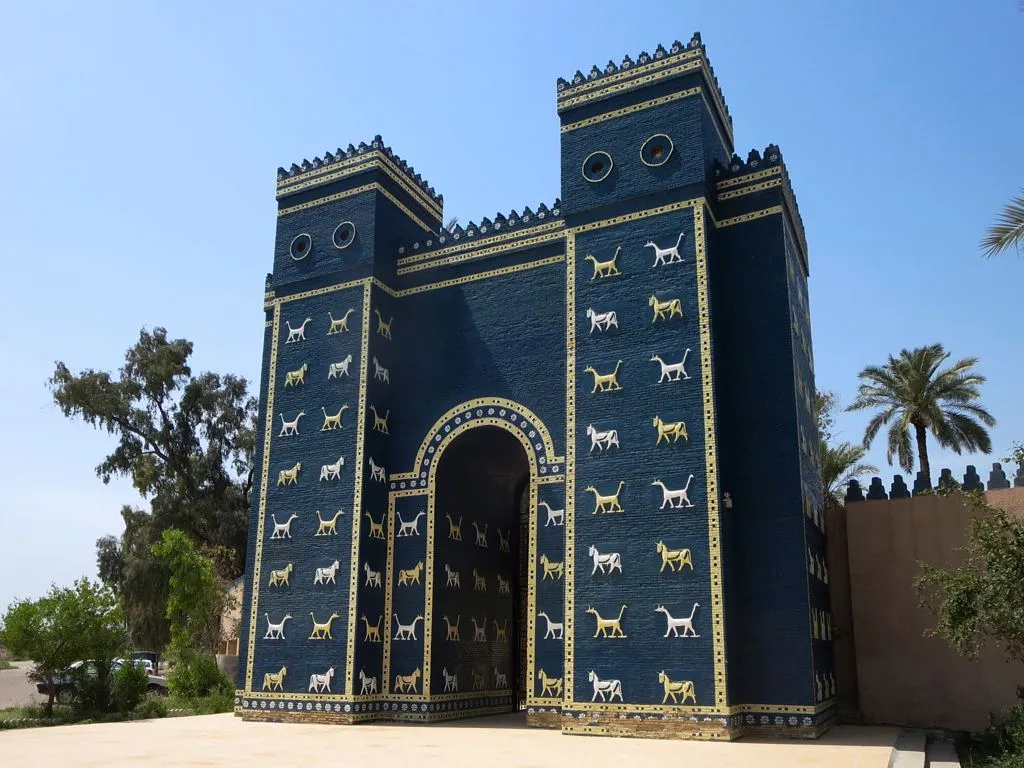
Babylon draws visitors to its iconic Ishtar Gate and the ruins of Nebuchadnezzar's great palace, recently the subject of major international restoration efforts. At Ur, the imposing ziggurat of the moon god Nanna still commands the horizon near modern Nasiriyah. In Nineveh, the ancient walls of the Neo-Assyrian capital encircle today's Mosul. Further north, Erbil Citadel rises atop a 26-meter-high mound and has been continuously inhabited since the 6th millennium BC. And in the southern marshes, boat rides through ancient wetlands bring the world of the early Sumerians viscerally to life.
Who Is Archaeological Tourism For?
Archaeological tourism in Iraq speaks to history enthusiasts, educators, students of the ancient world, and anyone moved by humanity's deepest roots. Whether you are a seasoned traveler seeking the road less traveled or a first-time visitor to the region, Iraq's ancient sites offer a profoundly authentic and humbling experience that no museum exhibit can replicate. In 2024 alone, archaeological sites across Iraq saw a 70% increase in international visitors — a testament to the world's growing fascination with this extraordinary land.
Plan Your Visit
The best time to explore Iraq's archaeological sites is from October to April, when temperatures are pleasant and the landscape is at its most inviting. Iraq now offers e-visas to nationals of more than 60 countries, making access easier than ever before. Ard Al-Hani provides expertly guided archaeological tours, ensuring that each site is not merely visited but truly understood — bringing ancient history to life with knowledge, care, and genuine passion for Iraq's irreplaceable heritage.