

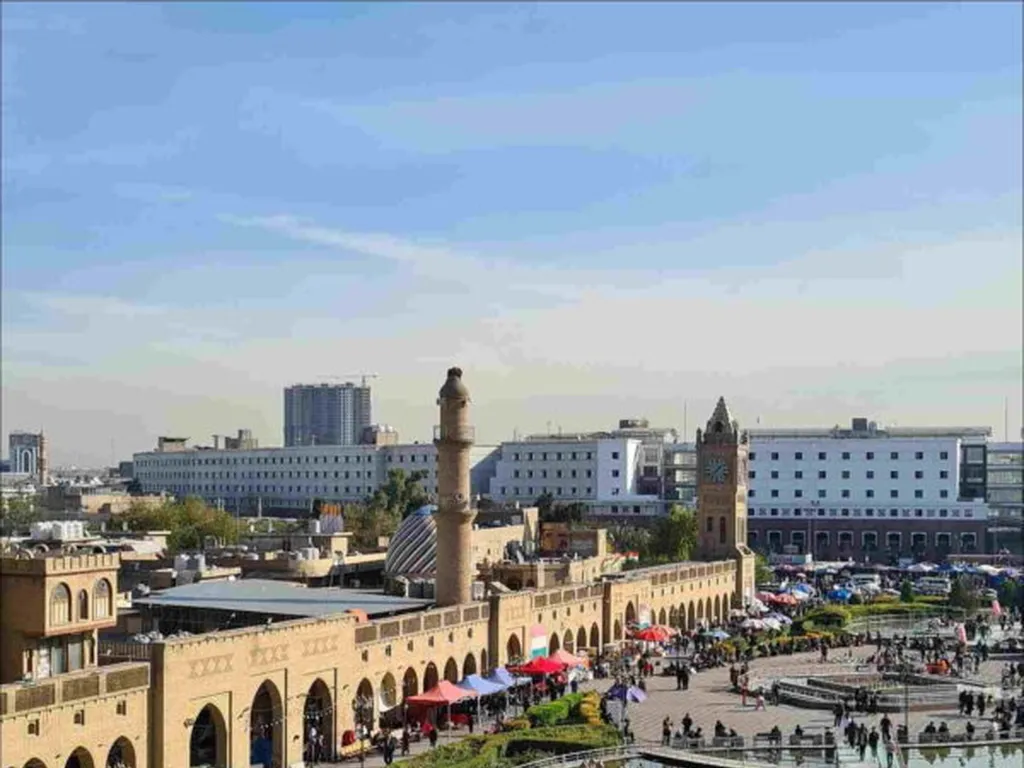
Erbil — Capital of Iraqi Kurdistan
Gateway to Ancient Mesopotamia
Rising from the plains of northern Iraq like a crown worn by time itself, Erbil — known to its Kurdish inhabitants as Hewlêr — is one of the oldest continuously inhabited cities on Earth. Capital of the Kurdistan Region of Iraq, this extraordinary city carries within its soil the footprints of Sumerians, Assyrians, Persians, Arabs, Mongols, and Ottomans. Evidence of human settlement here stretches back to the fifth millennium BC, and possibly further still. To walk its ancient streets is to tread on the accumulated memories of over eight thousand years of civilization.
Erbil today is a city of striking contrasts — a modern, thriving metropolis where gleaming hotels and bustling shopping malls stand in the shadow of a citadel that predates written history. The Kurdistan Region has invested heavily in tourism infrastructure, and in 2024 the city welcomed approximately 3.5 million visitors, drawn by its legendary heritage, warm hospitality, and a tourism scene that is rapidly earning Erbil a place on the world's cultural itineraries.
The Erbil Citadel: Crown of Civilizations
No structure in Erbil commands more awe than the Qelat — the Citadel of Erbil. Perched atop an ancient tell that rises twenty-six meters above the surrounding city, this oval-shaped mound spans over 100,000 square meters and contains within its layers the compressed evidence of every civilization that called this place home. Inscribed on the UNESCO World Heritage List in 2014, the citadel is widely regarded as the oldest continuously occupied settlement on the planet.
The city first appears in literary records around 2300 BC in the archives of Ebla, mentioned as Irbilum. It rose to particular prominence as Arbela, a sacred and administrative center of the Neo-Assyrian Empire. A continuous wall of tall 19th-century Ottoman-era façades still encircles the mound today, giving the citadel the dramatic appearance of an impregnable fortress. Inside, a fan-like arrangement of traditional courtyard houses, a historic mosque, and an ancient hammam dating to the 18th century transport visitors into a quieter, more contemplative age. The Kurdish Textile Museum, opened in a lovingly restored mansion in 2004, offers an intimate window into the weaving traditions of the region. Today, an ambitious UNESCO-led revitalization project — backed by ten million US dollars in private investment — is breathing new life into the citadel's heritage structures, promising an even richer experience for tomorrow's travelers.
The Qaysari Bazaar: Where History Breathes
Just south of the citadel's base lies one of Iraq's most atmospheric marketplaces — the Qaysari Bazaar, established in the early 13th century. Beneath its warren of covered corridors, each alleyway reveals a different world: one lane perfumed with cardamom and saffron, another alive with the glint of gold and silver jewelry, another piled high with handwoven textiles, dried fruits, and golden honeycomb fresh from local hives.
Locals and visitors alike pause at the bazaar's traditional tea houses to sip Chai Kurdi — strong, aromatic Kurdish tea — while watching the rhythms of daily life unfold around them. Mam Khalil's storied teahouse, its walls lined with decades of collected photographs, is a mandatory stop for anyone wishing to absorb the bazaar's soul. Arrive in the morning hours, when the stalls are at their freshest, the light filters beautifully through the passages, and the scent of freshly baked bread drifts in from nearby tandoor ovens.
Minarets, Mosques, and Modern Erbil
Erbil's cultural landscape extends well beyond its ancient core. The Mudhafaria Minaret, whose construction began in 1190 AD and took forty-two years to complete, stands as an elegant testament to the city's medieval Islamic heritage. A short distance away, the Jalil Khayat Mosque — completed in 2007 — is a breathtaking modern landmark whose architecture weaves together Abbasid, Persian, and Ottoman influences into a seamless whole. Its ornate tilework and soaring minarets make it one of the most photographed buildings in all of Kurdistan.
For a breath of greenery and the rhythms of local life, the vast Sami Abdul Rahman Park — home to twin lakes, a rose garden, and the moving Martyrs Monument — offers a welcome escape into the everyday pulse of the city. The quiet Christian quarter of Ankawa, with its ancient churches and peaceful leafy streets, provides yet another dimension to this wonderfully layered city. And throughout Erbil, the legendary Kurdish hospitality wraps every encounter in warmth — a quality that visitors remark on time and again, long after they have returned home.
Planning Your Visit to Erbil
The ideal seasons to visit are spring (March to May) and autumn (September to November), when the weather is mild and the surrounding countryside turns lush and green. Erbil International Airport connects the city to numerous regional and international destinations. Taxis are the most practical way to navigate the city, with fares typically ranging from 3,000 to 5,000 Iraqi dinars. Begin your mornings as the locals do — with a traditional Kurdish breakfast of freshly baked tandoor bread, natural honey, Kalana, and strong tea at one of the beloved cafés that ring the citadel's base. Erbil is considered one of the safest cities in Iraq, and the warmth of its people will leave a lasting impression long after your journey home.
Erbil Citadel UNESCO
The Citadel of Erbil is an oval tell rising twenty-six meters above the city, its layers holding the compressed evidence of over 8,000 years of continuous habitation. Inscribed on the UNESCO World Heritage List in 2014, it is now the focus of a major international revitalization project that is restoring its historic structures to new life.
Qaysari Bazaar
Established in the early 13th century, this covered labyrinthine market weaves together vendors of spices, gold, hand-woven textiles, and fresh local honey in a sensory experience unlike any other. Pause at Mam Khalil's legendary teahouse and sip Kurdish tea surrounded by decades of living history.
Mudhafaria Minaret
Construction on this elegant minaret began in 1190 AD and took forty-two years to complete, making it one of the finest surviving examples of medieval Islamic architecture in Kurdistan. It stands within Minaret Park as a graceful reminder of Erbil's deep Islamic heritage and architectural ambition.
Jalil Khayat Mosque
Completed in 2007, this magnificent mosque blends Abbasid, Persian, and Ottoman architectural traditions into one of the most visually stunning buildings in Iraqi Kurdistan. Its soaring minarets and intricate tilework draw visitors and photographers from across the region and beyond.
Kurdish Textile Museum
Opened in 2004 inside a restored mansion within the Citadel, this museum houses a rare collection of traditional Kurdish carpets and weavings that tell the story of centuries of artisanship and culture. A deeply intimate and visually rich experience for history and art lovers alike.