

Museums
What is Museum Tourism?
Museum tourism is a cultural journey that goes beyond monuments and landscapes — it invites you to stand face-to-face with history through preserved artifacts, curated collections, and immersive exhibitions. In Iraq, this experience takes on extraordinary depth. Every gallery and every object on display is a testament to civilizations that shaped the entire human story. No other country on earth can match the sheer antiquity of what Iraq's museums hold.
Iraq: A Living Archive of Human Civilization
Between the Tigris and Euphrates — a region the ancient Greeks called Mesopotamia, meaning "the land between two rivers" — humanity built its first cities, developed writing, and codified its first laws. The civilizations of Sumer, Babylon, Assyria, and the Islamic Golden Age all flourished here, leaving behind a legacy of over two million documented artifacts. Iraq's museums are the guardians of this legacy, and visiting them means walking through the earliest chapters of human achievement.
After years of adversity, Iraq's museum network is experiencing a powerful revival. International cooperation has helped restore collections, repatriate looted pieces, and open new galleries — a testament to Iraq's commitment to sharing its heritage with the world.
Must-Visit Museums Across Iraq
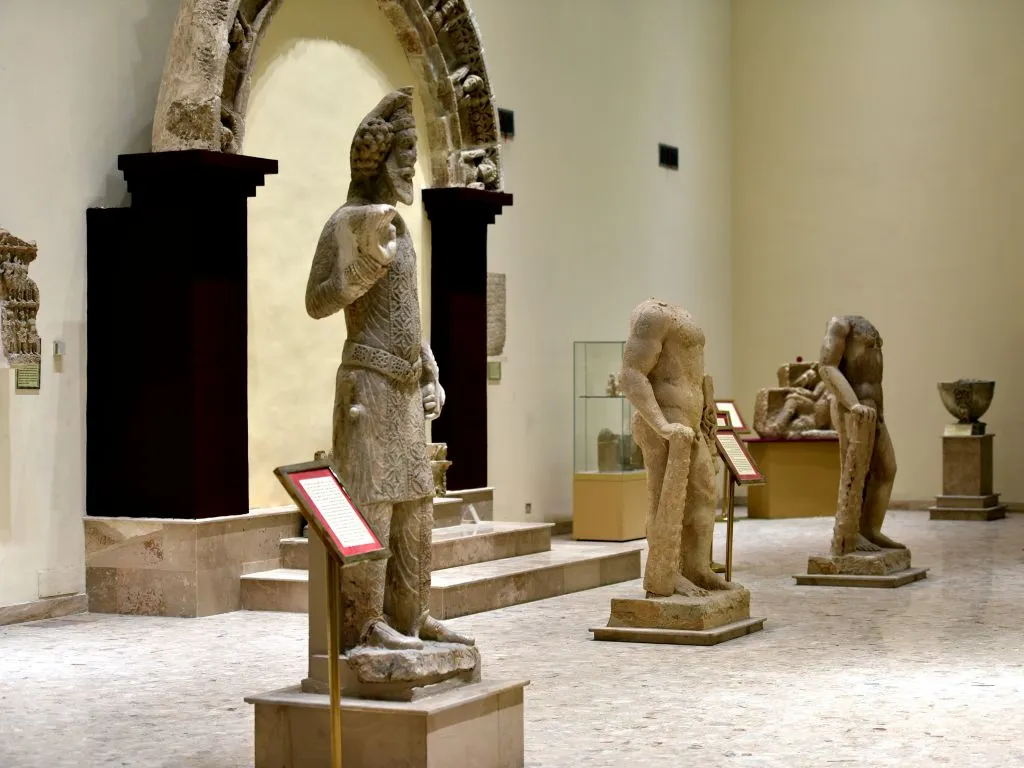
In Baghdad, the National Museum of Iraq — one of the most important museums in the entire Middle East — stands as the crown jewel of Iraqi cultural heritage. Founded in 1923 through the efforts of British scholar Gertrude Bell, its 28 galleries carry visitors from the Stone Age through the Islamic period. Nearby, the Baghdadi Museum offers an intimate counterpoint: through 70 life-size dioramas, it recreates the everyday life of Baghdad's people — markets, wedding ceremonies, coffeehouses, and traditional trades. In Basra, the Basra Cultural Museum, housed in a palace on the Shatt al-Arab, displays Sumerian, Babylonian, and Assyrian collections in a striking riverside setting. Further north, in Erbil, Sulaymaniyah, and Duhok, the Erbil Civilization Museum and the Sulaymaniyah Museum showcase Iraq's remarkable diversity — spanning prehistoric artifacts through the Abbasid era.
Who is Museum Tourism For?
Iraq's museums welcome everyone. History enthusiasts will be captivated by cuneiform tablets that predate most of written history by millennia. Families can give their children a visceral sense of humanity's origins. Researchers and academics will find collections of unrivaled scholarly significance. And curious travelers who want to understand the modern world through its deepest roots will leave Iraq's museums with a perspective few destinations on earth can offer.
Plan Your Museum Journey
Iraq's major museums are spread across several cities, easy to combine with broader travel itineraries. Begin in Baghdad — guides recommend at least three days for the National Museum alone. Head south to Basra for its riverside palace museum, or north into Kurdistan for a different perspective on Iraq's layered past. English-speaking guides are available at most venues, and museums are generally open on weekdays. Let Mesopotamia tell its own story — in its own words, through its own objects.